
Research-driven articles built to inform, support search and strengthen authority.
Professionally written articles for businesses, marketing teams and organisations that need useful, credible content with a clear purpose.

Articles should solve a content problem — not simply fill a page.
Producing an article is only the visible part of the work. A useful article begins with a clear reason for existing: who needs the information, what they need to understand, and what the business needs the content to support. Without that context, even fluent writing can become generic, poorly researched or disconnected from the reader. Weak research can reduce credibility; weak structure can make useful information difficult to follow; and a purely keyword-led approach can prioritise search signals over genuine communication. AWS therefore treats article development as an editorial process in which purpose, audience, subject knowledge and business context shape the work before the draft is written. Research, structure and editorial judgement then work together to produce content with a clear role.
Unclear purpose
Thin research
Generic structure
Weak reader value
No clear next step
Keyword-first writing
Different articles serve different jobs.
Article formats are not interchangeable. The right format depends on the subject, the audience’s level of knowledge, the communication objective and the role the content needs to play. An SEO article may need search-aware structure, while a thought-leadership piece may need a distinctive point of view. Choosing the format first helps the content serve its intended purpose.
SEO Articles
Structured around relevant topics and search intent.
Industry Articles
Useful, informed content for sector audiences.
Thought Leadership
Expertise-led perspectives and original viewpoints.
Research Articles
Evidence-led writing for deeper information needs.
Technical Articles
Clear explanations for specialist subjects.
Business Articles
Content aligned with a defined business purpose.
A complete article, not just a word count.
Article writing is a complete content-development process rather than a transaction based on a specified word count. The deliverables below show the stages that turn a brief into usable content: research establishes context, structure creates a logical path, writing develops the message, search considerations support discoverability where relevant, editorial review protects quality, and final delivery gives the client a clean article ready for its intended use. The value is therefore in the quality and usefulness of the finished content, not simply its length.
Research brief
Topic, audience, business context and direction.
Article structure
Logical headings and reader progression.
Original draft
Clear, useful and professionally written content.
Search considerations
Natural relevance and intent where appropriate.
Editorial review
Clarity, coherence, grammar and factual care.
Final delivery
Content prepared to the agreed scope.
A connected editorial pathway.
Understand
Clarify the audience, subject, purpose and business context before drafting.
Research
Gather the information and context needed for an accurate, useful article.
Structure
Build a logical progression so readers can follow the information easily.
Write
Develop the article in a clear, professional voice suited to its intended audience.
Review
Check clarity, coherence, accuracy and editorial quality before delivery.
The stages are connected: each decision informs the next rather than treating research, writing and review as separate transactions.
Useful content with a reason to exist.
Stronger articles create value by making information easier to understand, more credible to rely on and more relevant to the way audiences discover and evaluate information. Research gives the content a stronger factual and subject foundation; clear structure helps readers move through the argument or explanation; editorial judgement improves clarity and consistency; and search awareness can help the content align naturally with relevant questions and topics. Together, these qualities make the article more useful to readers while giving the business a clearer content asset to publish, support and build on.
Clearer
Readers can understand the subject and its relevance.
Credible
Research and editorial care support trust.
Search-aware
Content can support discoverability without keyword stuffing.
Published work, presented without inflated claims.
Published work can demonstrate the kind of content AWS has produced and the environments in which that work has appeared. The examples below are intended as evidence of published work, not as a shortcut to performance claims. Unless separate evidence has been independently verified, these examples do not imply specific rankings, traffic growth, conversions, ROI, testimonials or other commercial outcomes. The evidence standard is deliberately conservative: show the work that can be verified and distinguish it from results that cannot.

KCC Institute of Technology & Management
Published-work evidence • verified screenshot required before final evidence presentation.
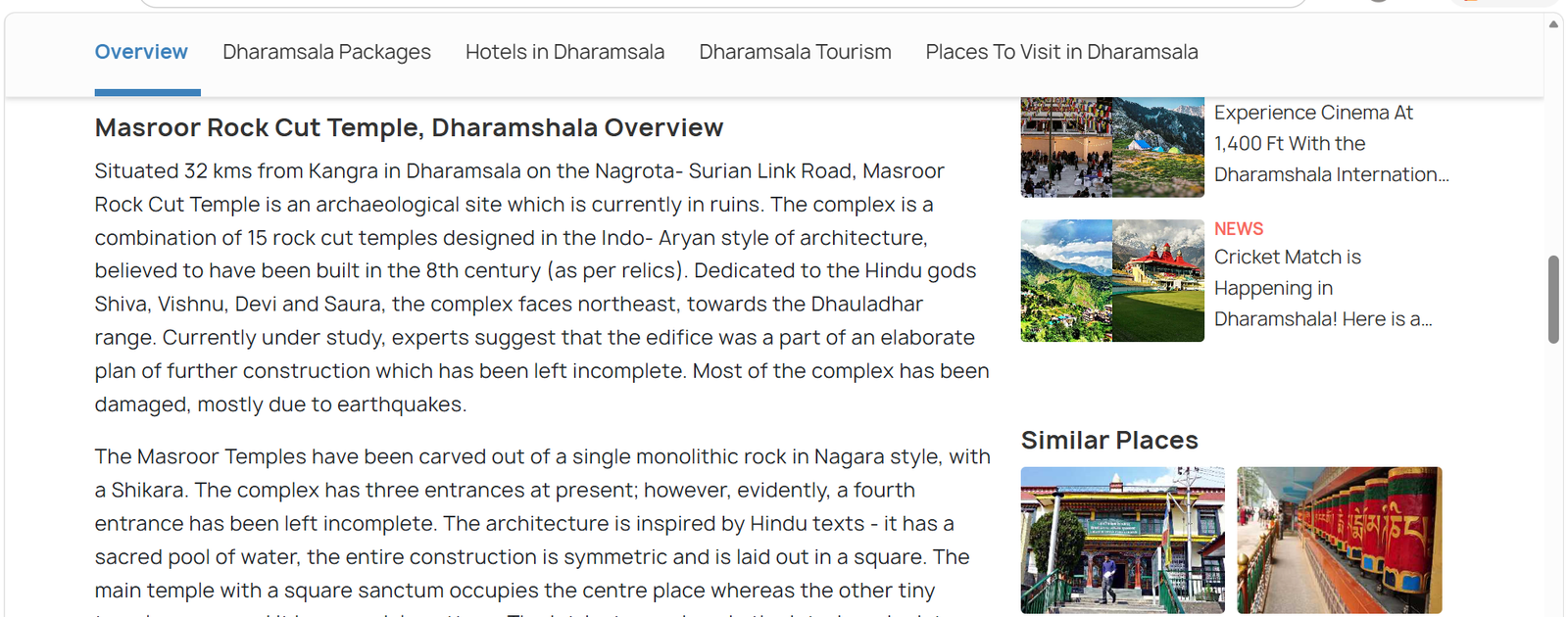
Holidify
Published-work evidence • verified screenshot required before final evidence presentation.
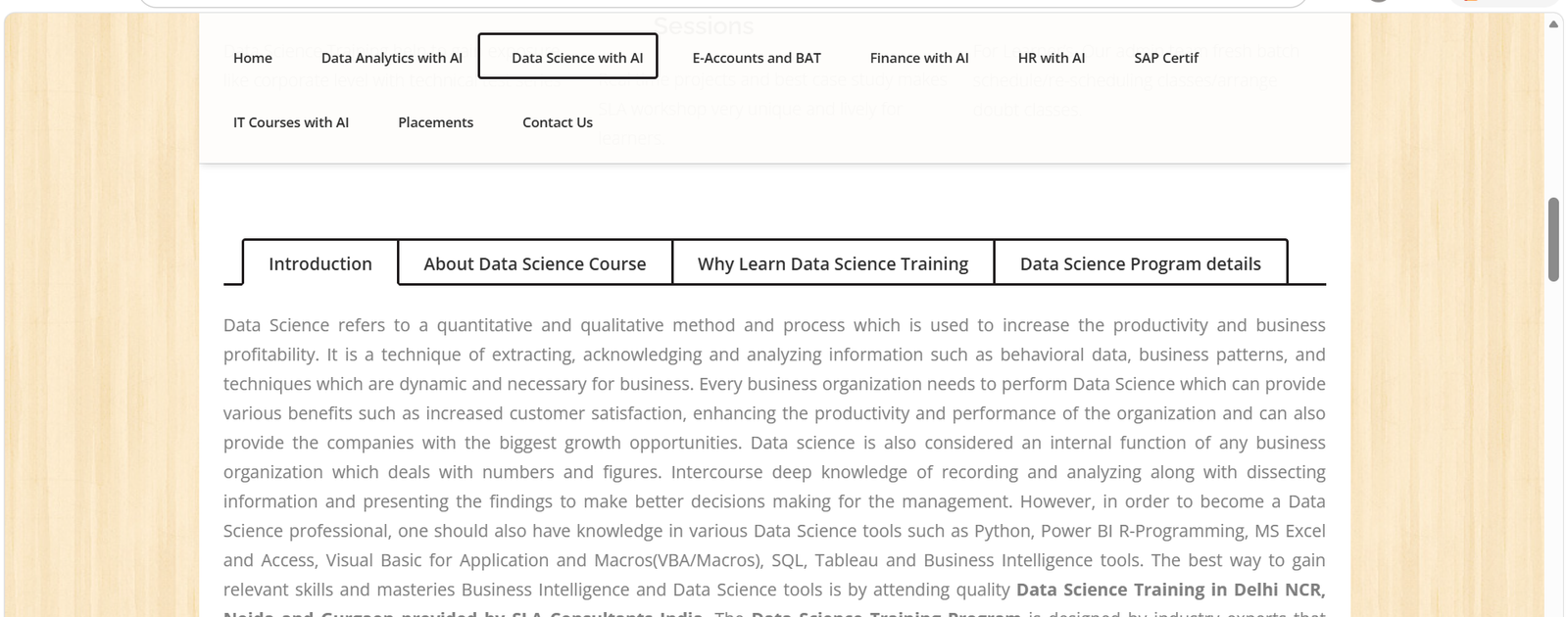
SLA Consultants India
Published-work evidence • verified screenshot required before final evidence presentation.
Research, business context and editorial quality.
AWS approaches article writing as a content-development service rather than a production transaction. The work begins with understanding the subject, audience and purpose, then moves through research, planning, writing and editorial review. That research-first approach is paired with human editorial judgement so the article remains readable, useful and appropriate to its audience. Business context matters because the content should have a reason to exist and a role within communication or visibility goals. Search considerations can be incorporated where relevant, but they support the message rather than dictate it. The service is built around accuracy, clarity, relevance and content value.
Is Article Writing Right for You?
Answers before you enquire.
What types of articles can AWS write?
AWS can develop several article formats, including SEO articles, industry articles, thought-leadership pieces, research-led articles, technical articles and business-focused articles. The appropriate format depends on the subject, audience, objective and intended use of the content. The page therefore treats article type as a planning decision rather than assuming that every article should follow the same structure.
Can articles be SEO-optimised?
Yes. Search considerations can be incorporated where they are relevant to the article’s purpose. AWS’s approach is to use search-aware structure, relevant topics and natural language without allowing optimisation to weaken readability, authority or the main editorial message. Search optimisation should support useful communication rather than turn the article into keyword-led copy.
How does AWS research an article?
Research begins by understanding the topic, audience, purpose and available business context. The article is then structured around the information readers need and the subject depth required. Depending on the project, research may involve reviewing source material, industry context, terminology, current information and supporting evidence. The exact research depth should match the article’s subject and intended use rather than follow a fixed formula.
Can you refresh existing articles?
An existing article can be reviewed when the objective is to improve its structure, clarity, relevance, depth or search awareness. A refresh should begin with assessing what is already useful, what is outdated or weak, and what the revised article needs to accomplish. AWS can then determine whether the appropriate solution is a targeted edit, structural rewrite or more substantial redevelopment.
Do you guarantee rankings or traffic?
No. Article quality and search-aware optimisation can support discoverability, but rankings, traffic and commercial performance depend on factors beyond the article itself. AWS should therefore not present guaranteed rankings, traffic growth or specific business outcomes as inherent results of article writing. Where performance evidence exists, it should be separately verified and clearly distinguished from the content-production service.
How do I start an article project?
The first step is to provide the topic or requirement, intended audience, objective, subject context and any relevant source material you already have. AWS can then determine the appropriate article type, research depth, scope and next step. This keeps the initial conversation focused on what the article needs to achieve rather than reducing the project to a word count alone.
Have an article requirement?
Tell AWS what you need to achieve. We can determine the right article scope, research depth and next step.